What Does a Water or Wastewater Operator Do?
Every time someone turns on a tap or flushes a toilet, a water or wastewater operator is the reason it works, and the reason the water is safe. It's one of the most essential jobs almost nobody thinks about. If you're considering the field, or just trying to understand what the title actually means, here's a clear picture of what these operators do, where they work, and whether it's worth getting into.
Key takeaways
- A water or wastewater treatment operator runs the equipment and processes that treat drinking water before it reaches homes, or clean used water before it returns to rivers, lakes, and the ocean.
- The work blends chemistry, mechanics, and monitoring: dosing chemicals, reading gauges and SCADA screens, collecting and testing samples, maintaining pumps and equipment, and keeping the plant inside its permit limits.
- There are really four flavors: water treatment, water distribution, wastewater treatment, and wastewater collection, related skills, different focus.
- Plants run 24/7, so expect rotating shifts, some outdoor and physical work, and on-call duty during emergencies.
- It's a stable, recession-resistant career you can enter with a high school diploma and on-the-job training, with a wave of retirements opening jobs. The way up is by climbing certification grades.
- Curious whether you'd pass the exam? Try a free practice test. Every question has a plain-English explanation.
What a water or wastewater operator actually does
At its core, the job is to manage a system of machines that move and treat water, increasingly through computerized controls: and to prove, with data, that the water meets strict standards. Day to day, that means a mix of the following:
- Dosing chemicals such as chlorine to disinfect water, or coagulants to pull solids out of it.
- Monitoring operating conditions, meters, gauges, flow rates, dissolved oxygen, pressures, and adjusting the process when something drifts.
- Collecting and testing water and wastewater samples, then recording and reporting the results to regulators.
- Inspecting, cleaning, and maintaining equipment, pumps, motors, valves, tanks, filters, and making repairs.
- Following environmental regulations and safety standards, and documenting everything (the paperwork is real, because tap water and discharge are heavily regulated).
- Operating the plant manually when automation fails: during a power outage, a storm surge of stormwater, or an equipment breakdown.
The size of the plant shapes the day. At a small system, one operator may do everything: chemistry, maintenance, sampling, and paperwork all in the same shift. At a large plant, operators are more specialized and lean heavily on SCADA systems to watch dozens of processes at once.
The four kinds of operator
People say "water operator" loosely, but the field splits into four related specialties. Many operators end up certified in more than one.
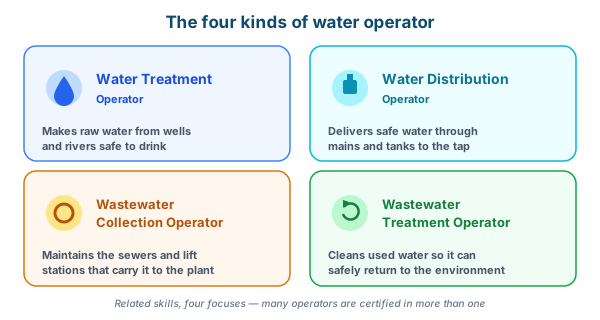
- Water treatment operator: runs the plant that turns raw water from wells, rivers, or reservoirs into safe drinking water (coagulation, filtration, disinfection). Drill it on the drinking water tests.
- Water distribution operator: keeps treated water moving through the network of mains, pumps, storage tanks, and pressure zones, protecting quality all the way to the tap. See the distribution tests.
- Wastewater treatment operator: removes pollutants from used water at the treatment plant so it can safely return to the environment (activated sludge, clarification, nutrient removal, disinfection). See the wastewater tests.
- Wastewater collection operator: maintains the sewers, lift stations, and pipes that carry wastewater to the plant, preventing backups and overflows. See the collections tests.
The fundamentals, hydraulics, basic chemistry, operator math, safety: overlap across all four, which is why dual-certified operators are common and valued.
A day in the life: the work environment
This is not a desk job, and it's worth knowing that going in.
- It runs around the clock. Treatment plants operate 24 hours a day, 365 days a year. Most operators work full time on rotating shifts that include nights, weekends, and holidays, and may be on call for emergencies.
- Indoors and outdoors. You'll move between a control room and the process areas, basins, pumps, and piping, in all weather. Some tasks are physically demanding or in hard-to-reach spots.
- Real hazards, managed carefully. Operators work around chlorine and other chemicals, slippery walkways, confined spaces, and (at wastewater plants) unpleasant odors and gases. Safety training and protective equipment, gloves, eye protection, respirators, are part of the routine.
- Emergencies happen. A big storm overwhelming the sewers, a chemical leak, or a pump failure can turn a quiet shift into an all-hands situation. Operators are trained to handle them.
If you like steady routine punctuated by real problem-solving, and you'd rather be on your feet than at a desk all day, it suits a lot of people very well.
Where operators work
The overwhelming majority work in the public sector. By BLS figures, about 74% of operators work for local government (city and county utilities), followed by private utilities (13%), manufacturing (4%), and waste management and remediation (2%). That public-sector tilt is part of why the jobs tend to come with solid benefits, pensions, health coverage, and overtime, on top of the wage.
Skills that make a good operator
You don't need a college degree, but you do need a particular mix of aptitudes. BLS highlights several:
- Critical and analytical thinking, you run tests and have to interpret what the results mean for the process.
- Mechanical skills: you operate, troubleshoot, and repair pumps, valves, and machinery.
- Math skills: dosing, flow, detention time, and loading calculations are daily work (it's why every one of our tests includes operator math).
- Computer skills, modern plants run on SCADA and digital monitoring.
- Attention to detail: gauges, limits, and compliance records leave no room for sloppiness.
- Problem-solving: when a process drifts or equipment fails, you diagnose and fix it.
Is it a good career?
For the right person, genuinely yes. A few reasons:
- Low barrier to entry, real upward path. You can start with a high school diploma and on-the-job training, then grow your pay and responsibility by climbing license grades rather than taking on student debt.
- Stability you can count on. Water and wastewater treatment is essential and local. It can't be offshored or switched off in a downturn. And while BLS projects the workforce to shrink slightly through automation, it still expects about 10,700 openings a year, almost entirely from a retiring generation of operators leaving the field. For someone entering now, that's a favorable hiring picture.
- Decent, predictable pay. The national median is around $58,260 a year, with experienced, higher-grade operators well into the $80,000s. (See the full breakdown in our operator salary guide.)
- Meaningful work. Protecting public health and the environment is the kind of mission a lot of people find worth showing up for.
The honest trade-offs: shift work, weekends, some unpleasant conditions (especially on the wastewater side), and the responsibility that comes with being legally accountable for water quality.
How to get started
The path is refreshingly clear: meet your state's basic requirements, study for the entry-level certification exam, pass it, and start gaining experience, then climb the grades from there.
- New to it all? Start with how the certification levels work.
- Want your state's specifics? Pick yours on the states page.
- Ready to study? Follow the 30-day study plan, then drill free practice tests for drinking water, wastewater, distribution, and collections.
The exam is the gate into this career: and it's exactly what this site is built to help you pass, for free.
This guide is general career information for prospective water and wastewater operators. Job duties, requirements, and conditions vary by state, employer, and facility. Reviewed June 2026.